
SparkNow
Jobz GroupSocial
4.6353.00 Reviews
- Version
- 1.1.8
- Installs
- 100.00K
- Age Rating
- Mature 17+
Screenshots

Our Review of SparkNow
 Analysis by Appyee
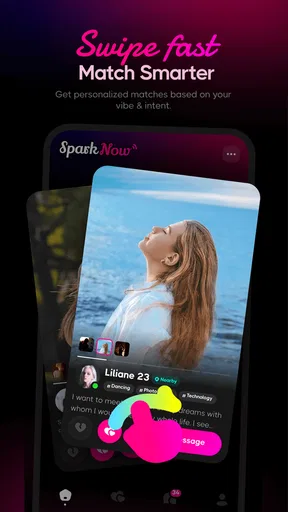
I approached SparkNow as a practical social app rather than a place to browse endlessly. Its promise is simple: help people match, chat, and create a spark. In everyday use, that makes it most interesting for someone who wants a focused way to meet new people, but it also means the quality of the experience depends heavily on how carefully you set up your profile and manage conversations.
The app is free to download, with optional purchases priced from $1.99 to $39.99 per item. It is aimed at adults with a Mature 17+ content rating, and it comes from Jobz Group. The current release is version 1.1.8, and it runs on Android devices using version 5.0 or later. Those details make it accessible to many older phones, although a compatible operating system does not automatically guarantee the smoothest experience on every device.
How SparkNow fits into a normal dating routine
My preferred way to use SparkNow is in short, deliberate sessions. I open it when I have enough time to look at profiles properly, respond to an interesting message, and decide whether a conversation deserves another reply. That approach feels more useful than treating the app like a slot machine where I swipe or tap through people without remembering anyone.
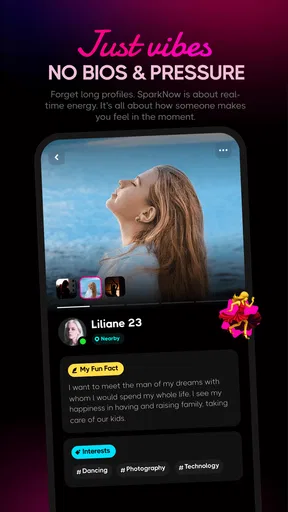
The main workflow is easy to understand. I look through potential matches, pay attention to the information someone has chosen to share, and start with a message connected to that profile instead of sending an empty greeting. Once a chat begins, I try to keep the exchange balanced. A conversation is more promising when both people ask questions and offer details, rather than when one person carries the entire exchange.
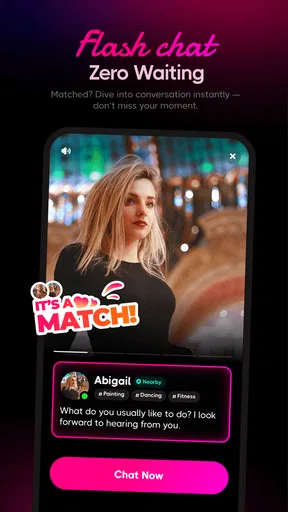
This is where the app’s social category matters. SparkNow is not simply a private messaging tool, and it is not a general-purpose community platform. Its value comes from bringing discovery and conversation into the same experience. If you want to meet people outside your existing contacts, that combination is convenient. If you already have a strong social circle and only need reliable messaging, a conventional chat app may suit you better.
A realistic use case would be someone who has a busy schedule and checks the app during a lunch break. Instead of trying to maintain several conversations at once, they could review a small number of profiles, save their attention for one or two promising chats, and return later when they can reply thoughtfully. I found this kind of routine less tiring than attempting to be available constantly.
The most useful habit is to treat each match as a conversation choice, not a commitment. Matching does not mean you have to continue chatting, share personal details, or arrange a meeting. Keeping that distinction clear makes the app feel more manageable and helps prevent the pressure that can build when every interaction is treated as important.
Profile preparation makes a bigger difference than constant checking
Before spending much time on discovery, I would make the profile as clear as possible. A short description should give another person something specific to respond to. Mentioning a genuine interest, a preferred weekend activity, or the kind of conversation you enjoy is more useful than relying on broad statements that could describe almost anyone.
I would also review the profile from the perspective of a stranger. Does it explain enough to start a conversation without revealing information that should remain private? Does it create a realistic impression rather than trying to appeal to everyone? On an app built around matching and chat, these small choices affect the quality of replies you receive.
One practical technique is to prepare two or three opening topics based on your own profile. This avoids the awkward moment when someone asks about an interest you mentioned and you answer with only a few words. It also makes your replies feel more natural because you are not inventing your personality under pressure.
At the same time, I would avoid turning the profile into a full personal history. Sharing a workplace, exact routine, home area, or other identifying information too early can create unnecessary risk. SparkNow is designed for meeting people, but the responsibility for pacing and privacy still belongs to the user.
Settings and purchase choices deserve a calm review
I recommend checking the available account and discovery controls before using the app heavily. The important question is not whether every option is switched on, but whether the app behaves in a way that matches your comfort level. Review what information is visible, how you prefer to receive conversation activity, and whether your phone’s notification settings are encouraging you to check too often.
Notifications can be useful when you are actively waiting for a reply, but they can also turn a relaxed social app into a constant interruption. I prefer allowing alerts that help me notice a genuine conversation while muting anything that makes me feel obliged to respond immediately. The exact controls can vary by device and release, so I would check both SparkNow and the phone’s own notification settings.
The free entry point is a clear advantage for trying the basic experience without paying first. However, the presence of in-app purchases means I would decide on a spending limit before exploring optional items. The listed range reaches from $1.99 to $39.99 per purchase, which is a meaningful difference between a small experiment and a more expensive impulse decision.
I would not buy anything simply because a conversation is slow. A paid option cannot create genuine interest or make an incompatible match suddenly work. If you do choose to spend, use a specific reason: perhaps you want to test whether an optional tool improves a workflow you already understand. Check the purchase screen carefully and confirm the amount before approving it.
Another useful setting is the device-level privacy review. SparkNow requires Android 5.0 or later, but the operating system requirement says nothing about how comfortable you are with notifications appearing on a lock screen or messages being previewed around other people. Adjusting those phone settings is a small step, yet it matters when conversations are personal.
Faster patterns for matching and chat
Speed does not have to mean rushing. I found that a repeatable review pattern is more efficient than making every profile decision from scratch. First, I look for enough information to understand the person’s interests and tone. Next, I check whether there is a natural topic for a message. Finally, I decide whether I am genuinely curious or merely continuing because I have already spent time looking.
This three-step approach prevents two common problems. The first is sending generic messages that produce equally generic replies. The second is keeping matches that I already know I will not contact. A smaller set of intentional conversations is easier to remember and usually more pleasant to manage.
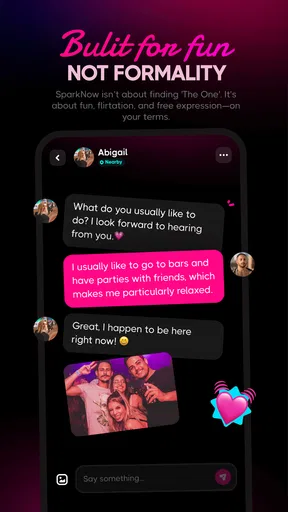
For chats, I like the “answer, add, ask” pattern. I answer what the other person said, add one related detail about myself, and ask a question that gives them room to respond. It is simple, but it avoids the interview feeling created by a string of questions. It also exposes imbalance quickly: if the other person never answers or asks anything back, I know not to overinvest.
Another efficient habit is to pause before moving a conversation beyond the app. I would first look for consistency in the person’s tone and willingness to respect boundaries. If someone pushes for personal contact information, money, private images, or an immediate meeting, that is a reason to slow down rather than a sign that the connection is especially strong.
For people with limited time, a scheduled check-in can work better than opening the app whenever boredom appears. A short session after work or during a quiet part of the evening gives you a clear stopping point. This is especially helpful if you are prone to comparing every new match with the previous one or feeling that you must answer immediately.
I would also keep messages specific but not overly long at the beginning. A thoughtful sentence connected to a profile detail is enough to open a door. Writing a large paragraph to someone you have not spoken with can create pressure for both sides, while a one-word message gives the other person almost nothing to work with.
Where the app’s convenience reaches its limits
SparkNow brings matching and chat together, but that does not remove the usual weaknesses of online social discovery. A profile is a selected presentation, and a pleasant exchange inside the app does not guarantee compatibility in person. I would use it as a way to begin learning about someone, not as proof that a relationship will work.
The app may not be the right choice for someone who wants highly specialized communities, professional networking, or a broad public discussion feed. Its appeal is narrower and more personal. Likewise, people who dislike profile-based matching or prefer meeting through shared real-world activities may find the format too structured.
It is also not ideal for users who want a completely free experience with no optional spending decisions. The app can be tried without an upfront price, but the purchase range means you need to pay attention when exploring extras. I consider that manageable rather than automatically negative, provided the user treats purchases as optional and keeps control of the budget.
Privacy and safety require active judgment. I would avoid sharing an exact address, financial details, workplace access information, or private documents. For a first meeting, a public location and a simple check-in with someone you trust are sensible precautions. If a profile becomes aggressive, manipulative, or suspicious, ending the conversation is more important than preserving a match.
Users should also be realistic about age and content expectations. SparkNow carries a Mature 17+ rating, so it is intended for an older audience and is not an app I would recommend for younger teenagers. Adults should still decide what kind of conversations they are comfortable having and make their boundaries clear early.
The version number, 1.1.8, tells me that the app is receiving updates, but I would still keep expectations measured. An update can improve stability or adjust an interface without solving the personal challenges of matching, communication, and trust. If the app feels repetitive, the answer may be to change your profile and habits rather than simply checking for new matches more often.
Who will get the most from SparkNow?
I think SparkNow is best for adults who want a straightforward way to discover people and start conversations without managing several separate services. It suits someone willing to write real messages, review profiles with patience, and accept that not every match deserves continued attention.
It can also work for a user returning to social or dating apps after a break. The basic structure is approachable, and the free starting point makes it possible to see whether the style feels comfortable before considering optional purchases. I would recommend beginning with a clear profile, modest notification settings, and a personal rule against spending during the first exploratory sessions.
On the other hand, I would suggest looking elsewhere if your priority is a very specific interest group, a large public community, or a messaging environment centered on people you already know. SparkNow’s strength is the path from match to chat; that same focus may feel limiting if you want many different kinds of social interaction in one place.
The app’s average rating is 4.6 from around 3.5 thousand ratings, and it has passed 100 thousand installs. Those figures suggest that it has found an audience, but they should not replace your own test. A high rating cannot tell you whether the matching style, conversation pace, or purchase model fits your expectations.
My verdict after using the workflow consistently
SparkNow is most convincing when used with intention. Its match-and-chat format is easy to understand, and the free entry point lowers the barrier for adults who want to try a new social app. I like that the experience can fit into short sessions, especially when the user focuses on a few meaningful conversations instead of treating every profile as a task.
My main reservation is not a missing feature but the responsibility placed on the user. You need to manage notifications, control spending, protect personal information, and recognize when a chat is not reciprocal. People looking for an effortless path to a relationship may be disappointed, because no matching app can remove the uncertainty involved in meeting someone new.
For the best results, I would use a specific routine: refine the profile, check privacy and notification choices, review matches slowly, use profile-based openings, and stop conversations that feel one-sided or unsafe. I would wait before buying optional items and judge any purchase by whether it solves a clear problem rather than by temporary excitement.
Jobz Group has positioned SparkNow as a focused social app for matching and conversation. In my experience, that focus is its clearest advantage and its clearest boundary. If you want a simple place to begin meeting people and are comfortable taking an active role in the process, it is worth trying. If you want a specialized community, a completely passive experience, or a platform with no spending decisions, another type of social app may be a better match for you.
Verdict
Strengths of SparkNow
- Quick access to essential features from a clean, user-friendly interface.
- Useful notifications help users stay updated without opening the app repeatedly.
- Smooth performance on most modern Android and iOS devices.
- Simple account setup makes getting started fast for new users.
- Regular updates can improve stability and add useful refinements over time.
Limitations of SparkNow
- Some advanced features may require a paid subscription or in-app purchases.
- The app may feel limited for users seeking extensive customization options.
- Performance can vary on older devices or during periods of heavy use.
- Certain features may depend on a stable internet connection.
- Privacy-conscious users should review the app’s data collection policies.
Similar Picks in This Category
View All
Meta Platforms, Inc.4.6

Instagram4.0

Likee-Live, Chat & Party Games
Likeme Pte. Ltd.4.4

Facebook Lite
Meta Platforms, Inc.4.5

TikTok - Videos, Shop & LIVE
TikTok Pte. Ltd.4.0

Moj: Free Short Drama & Reels
ShareChat4.1
Frequently Asked Questions
What is SparkNow and what can I use it for?
SparkNow is designed to help users discover, organize, and interact with content or services through a streamlined mobile experience. Its exact tools may vary depending on the version and platform, so it is worth checking the official app description before downloading. After testing the interface, the main appeal is its straightforward navigation and quick access to core features without requiring extensive technical knowledge.
Is SparkNow free to download and use?
SparkNow may be available as a free download, but some features, content, or services can depend on in-app purchases, subscriptions, advertising, or account requirements. Before installing it, review the pricing information shown on the Google Play Store or Apple App Store. Also check whether subscriptions renew automatically, since deleting the app usually does not cancel an active payment plan.
Is SparkNow safe and suitable for my device?
Before downloading SparkNow, confirm that you are using the official listing published by the legitimate developer. Check the requested permissions, recent user reviews, privacy information, and the date of the latest update. The app should also be compatible with your Android or iOS version. Avoid modified APK files or unofficial download pages, because they may contain security risks or versions that are not properly maintained.
Does SparkNow require an account or an internet connection?
SparkNow may require users to create an account in order to save preferences, access personalized features, synchronize information, or use interactive services. A stable internet connection is generally recommended, particularly for content that is updated online or depends on cloud-based functions. Some portions of the app may work offline, but you should not assume that every feature will remain available without mobile data or Wi-Fi.
What should I do if SparkNow is not working correctly?
If SparkNow crashes, loads slowly, or fails to display content, first update the app and restart your device. You can also check your internet connection, free up storage, and review the app permissions. Android users may try clearing the cache, while iOS users can reinstall the application. If the problem continues, contact the developer through the official store listing and include your device model and operating-system version.
